

Quadrantids Meteor Shower 2026 – Southern California
December 2 - December 3
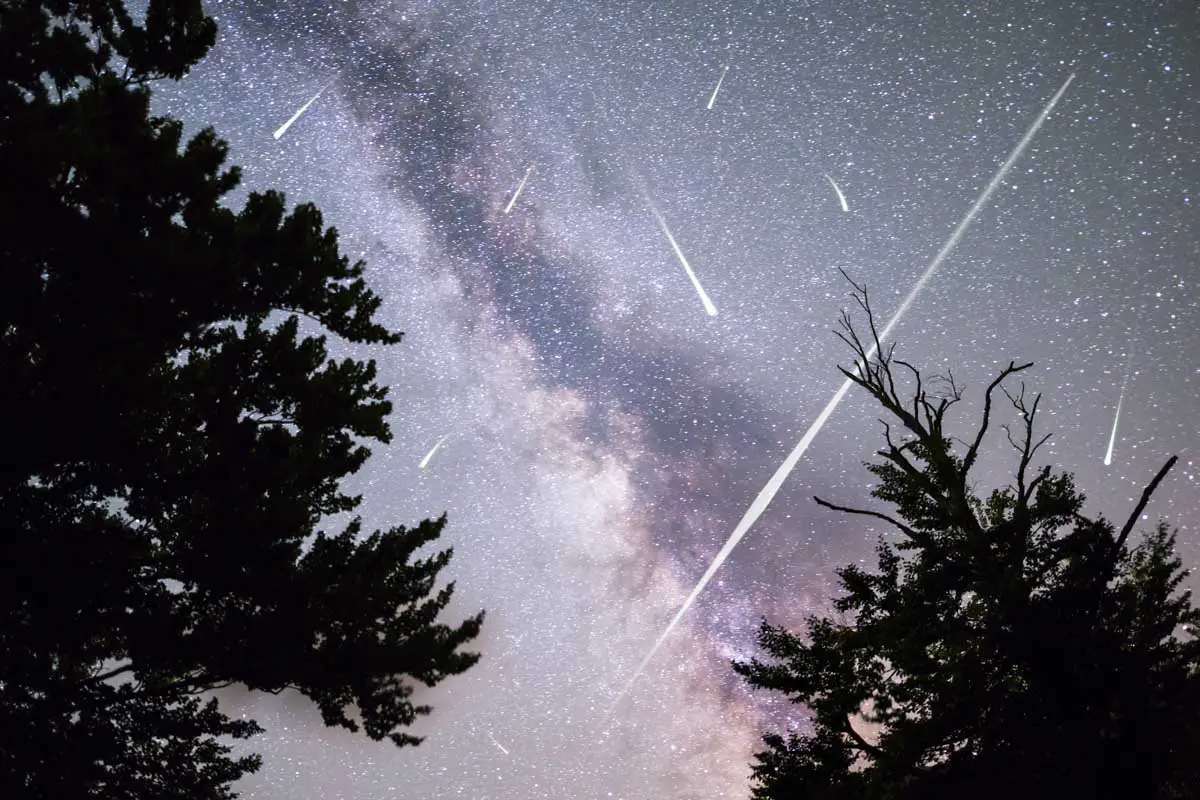
The Quadrantids meteor shower, often one of the year’s most intense, is active from December 28, 2025, through January 12, 2026, with peak activity expected during the night of January 2–3. The Quadrantids are known for their brief but potentially intense peak, which can last as little as six hours. Under ideal dark-sky conditions, the shower can produce relatively high meteor rates, though this potential is often limited by winter weather and timing.
In 2026, viewing conditions will be significantly affected by a full moon on January 3, which will greatly reduce visibility. Moonlight is expected to obscure all but the brightest meteors, bringing expected viewing rates to fewer than 10 meteors per hour even in dark locations. While Quadrantid meteors typically do not leave long-lasting trails, the shower is known for producing occasional bright fireballs that may still be visible despite the moonlight.
The Quadrantids are visible from Southern California, which lies well within the Northern Hemisphere viewing range for this shower. The radiant is located high in the northern sky, making the shower best observed after midnight and into the pre-dawn hours. Observers in Southern California may still see some activity during the peak window, particularly brighter meteors, weather and moonlight permitting.
While the peak is relatively short-lived, it offers a spectacular celestial show, with the potential for up to 120 meteors per hour under ideal conditions. These meteors are known for their bright, colorful fireballs that can streak across the night sky.
Tips for Optimal Viewing:
- Find a Dark Spot: Head to a location away from city lights, such as a local mountain or desert area.
- Look Northeast: The radiant point of the shower, from which the meteors appear to originate, is in the northeastern sky. Lie flat on your back with your feet facing northeast and look up, taking in as much of the sky as possible
- Be Patient: Allow your eyes to adjust to the darkness for the best viewing experience.
Where Do Meteors Come From?
Meteors come from leftover comet particles and bits from broken asteroids. When these objects come around the sun, the dust they emit gradually spreads into a dusty trail around their orbits. Every year the Earth passes through these debris trails, which allows the bits to collide with our atmosphere where they disintegrate to create fiery and colorful streaks in the sky.