H5N1 Bird Flu Confirmed in California Elephant Seals

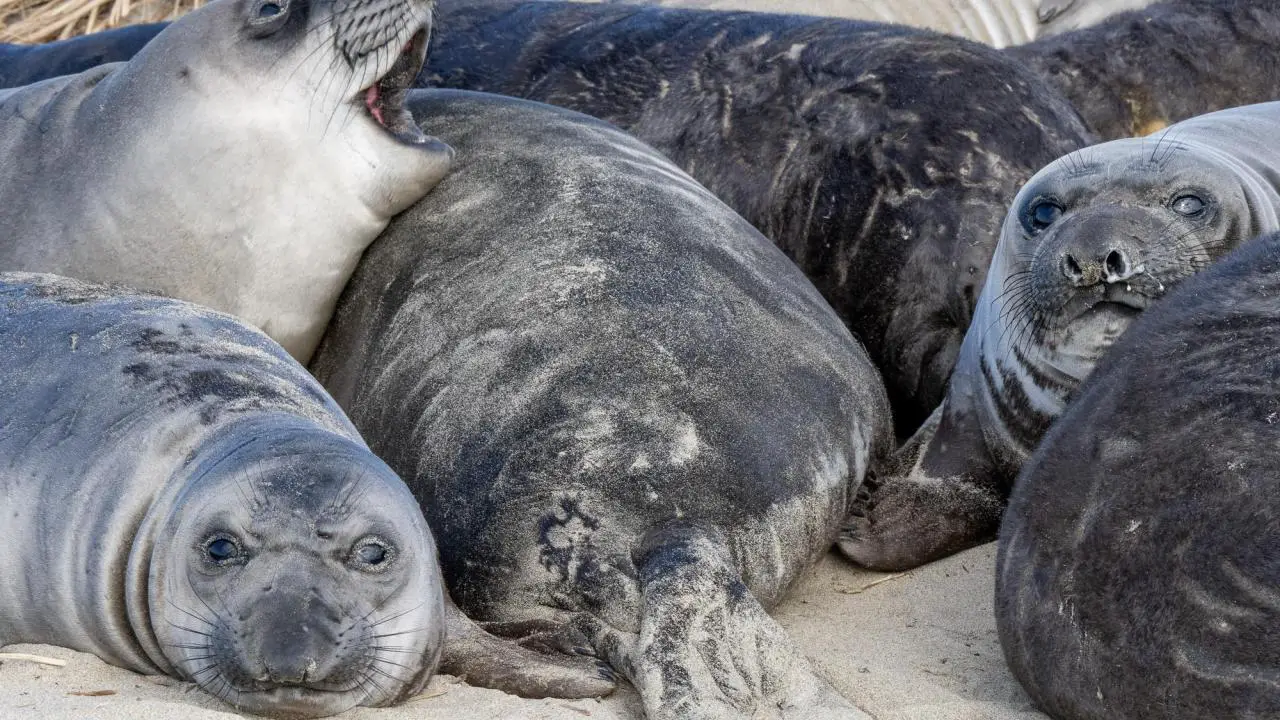
Seven weaned elephant seal pups at Año Nuevo State Park have tested positive for highly pathogenic avian influenza H5N1, UC Davis confirmed on February 25. It’s the first confirmed HPAI H5N1 case in a California marine mammal and the first ever detected in northern elephant seals. California State Parks has closed public seal-viewing areas and cancelled guided tours for the remainder of the season.
Researchers from UC Santa Cruz first observed pups showing abnormal respiratory and neurological symptoms — weakness and tremors — on February 19 and 20. Samples were sent to UC Davis’s California Animal Health and Food Safety Laboratory, with USDA confirmation following shortly after. UC Santa Cruz and UC Davis had ramped up surveillance at the site in recent months, partly in response to a devastating H5N1 outbreak among southern elephant seals in Argentina in 2023.
Roughly 1,350 seals were present when the outbreak began, out of a winter peak population of around 5,000. Most adult females had already departed on post-breeding migrations. Researchers describe the majority of seals on the colony as currently healthy.
The concern is well-founded. Since the current H5N1 strain emerged in North America in 2021, it has killed millions of wild birds across the continent and contributed to the culling of hundreds of millions of farmed poultry globally — making it one of the most economically and ecologically destructive animal disease outbreaks on record.
Marine mammals have not been spared: mass mortality events in sea lions and fur seals have been documented across South America, and the 2023 outbreak among southern elephant seals in Argentina killed a significant portion of pups at affected colonies. The northern elephant seal population — which rebounded from near-extinction in the 20th century — has no prior exposure to H5N1 and no established immunity.
Public health risk is considered very low. Do not approach live or dead seals, and keep dogs away. To report a sick, injured, or dead marine mammal on the West Coast, call the NOAA Fisheries Stranding Hotline: (866) 767-6114.
UC Davis, UC Santa Cruz, NOAA Fisheries, the California Department of Fish and Wildlife, and the West Coast Marine Mammal Stranding Network are continuing active coastal monitoring. Check California State Parks for updates on access before heading to Año Nuevo.