California’s Snowpack Hit Its Second-Lowest April Level Ever. Fire Season Starts Now.

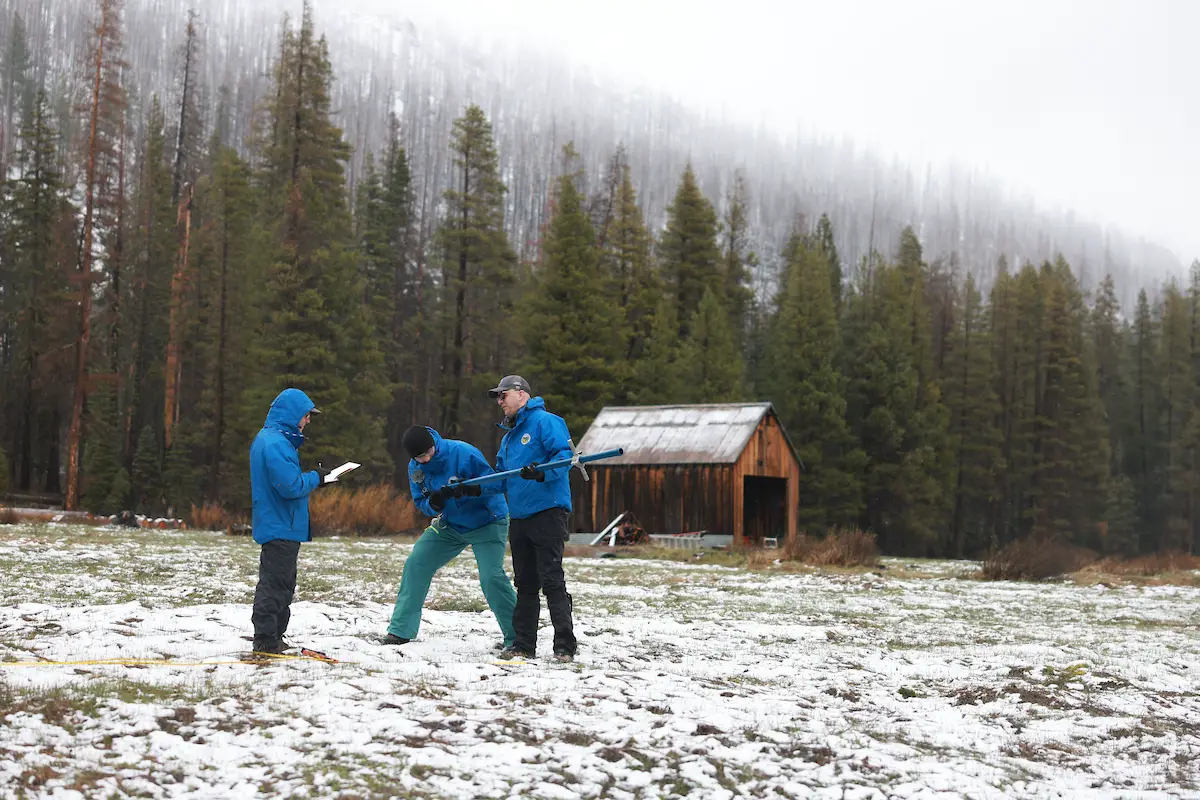
The California Department of Water Resources runs its most important snow survey of the year on April 1 every year at Phillips Station in the Sierra Nevada near Lake Tahoe. The April measurement matters because it’s historically the date when snowpack peaks before spring melt begins — the number determines how much water will flow into California’s rivers and reservoirs over the coming months.
This year the surveyors showed up and found nothing to measure. Zero snow depth. Zero water content. The second-lowest April reading in the history of the survey, behind only 2015.
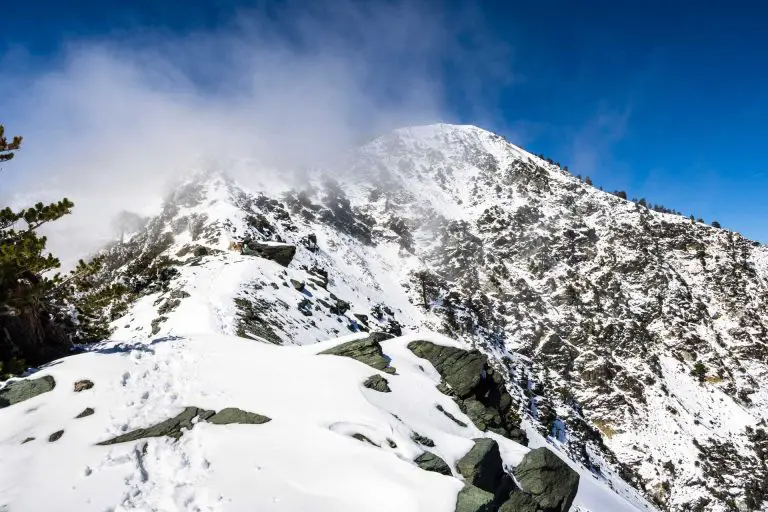
The statewide picture is 18% of average, with the Northern Sierra — where California’s largest reservoirs are fed — sitting at 6%. The proximate cause was a March heat event that climate scientists called one of the most extreme ever recorded in the American Southwest.
Warm atmospheric river storms in late February had already swapped snow for high-elevation rain. March temperatures finished the job. The snowpack that would normally melt gradually from April through July essentially completed its melt cycle by late February, before most people noticed it was happening.
California’s snowpack is often called the state’s “frozen reservoir” — a description that understates how central it is to how the state functions. It normally supplies about 30% of annual water needs, storing winter precipitation and releasing it slowly as warm-season demand rises.
When it goes early, that water doesn’t wait — it runs off quickly, soaks into the ground, or evaporates, rather than being captured by the reservoir system. The state’s water director was direct: what’s in the reservoirs right now is essentially what California gets.
For outdoor users, the implications sort into two buckets. High Sierra terrain will be more accessible earlier than a typical year — passes that would still be buried in May will be open, which is either a convenience or a crowding problem depending on your perspective.
The second bucket is fire. Vegetation that normally stays moist through June will be dry by April. Scientists and fire officials are already describing 2026 as a potentially severe fire year. That shapes everything from backcountry permit decisions to whether a campfire is advisable on a given night. Plan your Sierra season, but watch the fire conditions in the lower elevations — they’re already running ahead of schedule.