Glen Canyon Issues Quicksand Warning for Visitors

Quicksand had a long run as cinema’s favorite peril before scientists quietly deflated the myth: the stuff is mostly harmless, they said. You float. You don’t sink. Relax. Glen Canyon National Recreation Area is now asking visitors to un-relax, at least a little.
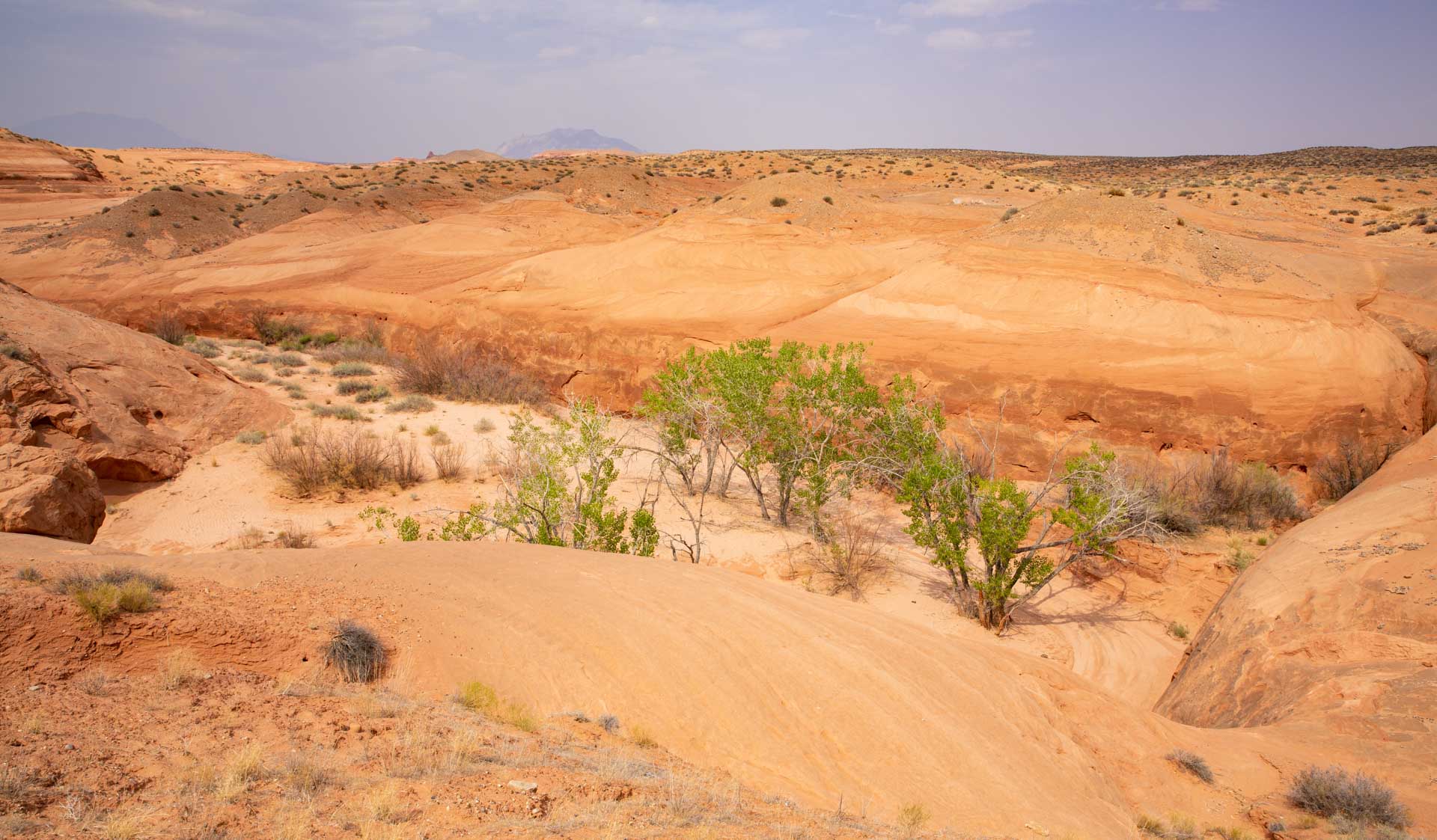
The park has issued a warning that quicksand is present near shorelines and drainages throughout the recreation area and can be more deceptive than the Hollywood version. Rather than announcing itself as a murky, bubbling pool, it can appear completely dry and firm on the surface before suddenly giving way underfoot.
The NPS says visitors should watch for ground that feels soft or spongy despite looking dry, surfaces that ripple or vibrate when stepped near, unexpected water seepage or pooling, and low-lying drainages or freshly exposed shoreline zones where fine sediment and water can mix invisibly beneath a thin crust. Conditions can change rapidly following storms or shifts in Lake Powell’s water levels.
If caught, the park advises staying calm and avoiding sudden movements, which worsen sinking. Leaning back to spread body weight, then slowly working each leg free one at a time, allows water to fill the void around the limbs and break the suction. From there, the goal is to inch toward firm ground while staying reclined, using a trekking pole or branch for leverage if available. The park notes that while quicksand is rarely life-threatening, escaping can be exhausting, and assistance may be needed in deeper sediment.