The Public Lands in Our Backyard That Are Most at Risk Right Now

The broad strokes are by now familiar: the Trump administration issued two executive orders in 2025 directing federal agencies to prioritize energy production and mineral extraction on public land.
The Wilderness Society has since mapped the ten landscapes it considers most exposed to the resulting development pressure. Several of them are places the OutdoorSoCal audience visits regularly.
The Utah monuments are the most contested. Bears Ears has been through this before — designated by Obama in 2016, reduced by 85% under Trump in 2017 to open the area to uranium mining and oil and gas development, restored by Biden in 2021, and now in the crosshairs again.
Grand Staircase-Escalante has followed a similar arc: 1.8 million acres of canyon country in southern Utah, shrunk under Trump, restored under Biden, and currently subject to a new Bureau of Land Management resource management plan that the Government Accountability Office ruled in January qualifies as a congressional rule — meaning legislators can now accept or reject it directly. Senator Mike Lee has been pushing to do exactly that.
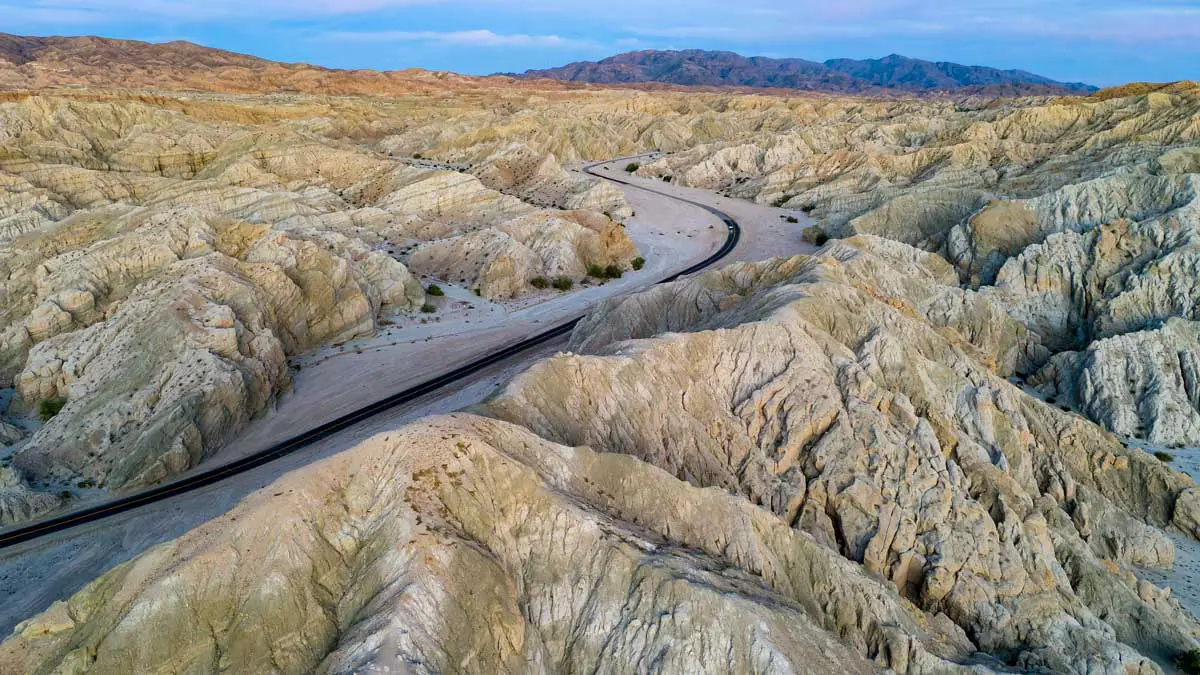
Closer to the SoCal reader’s map: Chuckwalla National Monument, designated in the final weeks of the Biden administration, is already in litigation. The 740,000-acre monument sits at the intersection of the Mojave and Sonoran deserts, sharing a boundary with Joshua Tree National Park, and encompasses significant cultural sites for multiple Native tribes along with habitat for the desert tortoise and desert pupfish.
A mining interest has filed suit challenging the designation itself — a case that legal observers say could have implications well beyond Chuckwalla, potentially affecting the legal foundation of monument designations more broadly.
Further afield, in New Mexico, the Trump-managed BLM is moving to strip the 10-mile drilling buffer around Chaco Culture National Historical Park, a UNESCO World Heritage Site — a story worth its own item, which we’ve covered separately.
The common thread across all of these is pace. Public comment periods are being compressed, environmental reviews shortened, and decisions made faster than the oversight mechanisms were designed to handle.
Whether or not you have opinions on any specific land use question, the speed at which these decisions are being made limits the ability of affected communities — including the outdoor recreation community — to participate meaningfully in them.