Seabirds Are Washing Up on California Beaches — And It’s Probably Not Bird Flu

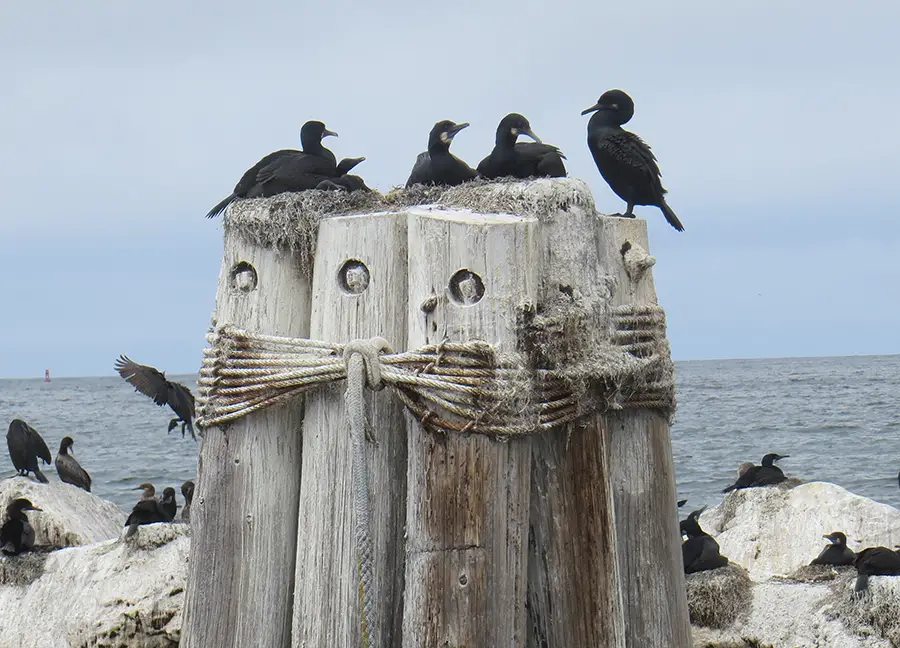
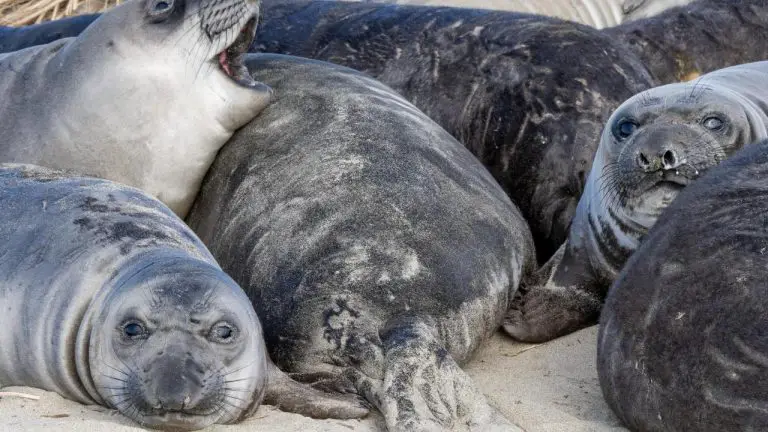
California’s coastline has been seeing a significant die-off of seabirds since last fall, with Brandt’s cormorants, common murres, and California brown pelicans turning up debilitated or dead from Mendocino County south to San Diego. The California Department of Fish and Wildlife has been investigating since the fall, and despite the timing, coming on the heels of the H5N1 detection in elephant seals at Año Nuevo, avian influenza doesn’t appear to be the primary driver. Of the roughly 90 cormorants and murres tested by CDFW and partners, only a handful have returned preliminary positive results, and the agency says the current seabird mortality appears largely unrelated to H5N1 activity.
The more likely explanation is a rough winter following an unusually productive breeding year. CDFW researchers note that 2025 was an exceptionally good reproductive season for all three species, and a boom in juvenile birds typically precedes elevated mortality — young seabirds are less experienced hunters and less resilient when food availability shifts or storms hit. Most of the birds examined have been young, emaciated, and in some cases dealing with secondary fungal infections or heavy parasite loads. Other factors — including a parasitic infection called Sarcocystis calchasi that periodically affects cormorants, and harmful algal blooms like domoic acid — are also being monitored as potential contributors.
Wildlife rehabilitation facilities along the coast are currently admitting elevated numbers of all three species. If you encounter a debilitated bird on the beach, don’t touch it, attempt to feed it, or try to remove any fishing gear — call your local wildlife rehabilitation facility instead. Dead birds can be reported to CDFW’s Wildlife Health Laboratory via their mortality reporting form. Stranded marine mammals should be reported to the NOAA Fisheries West Coast Stranding Hotline at (866) 767-6114.