Federal Judge Orders Closure of 2,200 Miles of OHV Routes in Western Mojave Desert


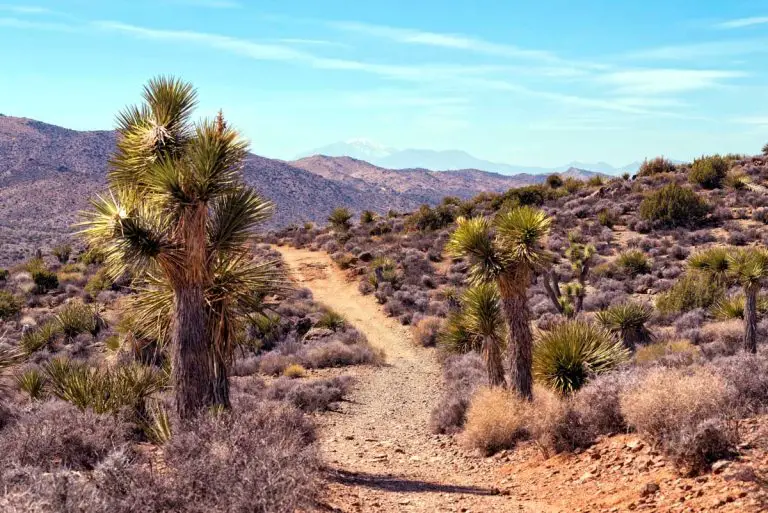
A federal judge has ordered the closure of approximately 2,200 miles of off-highway vehicle (OHV) routes within designated critical habitat for the threatened desert tortoise in California’s western Mojave Desert, affecting roughly 1 million acres of conservation lands in the California Desert Conservation Area.
The ruling follows an October 2024 decision finding that the Bureau of Land Management (BLM) violated federal law when it approved the 2019 West Mojave Route Network Project without adequately considering impacts to natural resources and protected species. In the latest order, the court determined that the agency failed to comply with both the Federal Land Policy and Management Act and the Endangered Species Act in its route designations within tortoise critical habitat.
Environmental organizations that brought the lawsuit — including the Center for Biological Diversity, Sierra Club, Desert Survivors, California Native Plant Society, Defenders of Wildlife and the Desert Tortoise Council — said the decision is necessary to halt the long-term decline of the desert tortoise and to protect sensitive habitat, including that of the endangered Lane Mountain milkvetch plant. They argue that closing routes in critical habitat areas will reduce habitat fragmentation and give imperiled species a better chance at recovery.
Under the West Mojave plan, the BLM had designated nearly 6,000 miles of dirt routes for OHV use. Conservation groups maintain that decades of route proliferation and unauthorized trail creation have degraded fragile desert ecosystems. They note that more than 270,000 acres of public land in the western Mojave remain available for off-highway recreation outside designated critical habitat areas.
Off-road recreation advocates, however, have expressed strong concern about the ruling. An off-road motorcycle advocacy group described the decision as judicial overreach, arguing that a single judge has effectively reshaped land-use policy without congressional action or broader public input. The group is urging the U.S. Department of Justice to appeal the ruling, warning that it could set a precedent affecting access to public lands nationwide.
Recreation groups also contend that route designations had already undergone years of agency planning and review and that closures of this scale could significantly reduce riding opportunities in the Mojave Desert. They argue that land-use decisions should be resolved through legislative and administrative processes rather than court orders.
The BLM has not yet announced how it will implement the closures or whether it intends to appeal the decision. In the meantime, routes within designated desert tortoise critical habitat areas in the western Mojave are subject to closure under the court’s order.
The case highlights an ongoing tension in the California Desert Conservation Area: balancing protection of threatened species and fragile ecosystems with continued public access for recreation on federal lands.