Defenders Rally to Save Chuckwalla National Monument

A federal lawsuit aimed at erasing one of Southern California’s newest national monuments has attracted a growing pile of defenders, and the legal battle is starting to look like it could reshape how public lands get created in this country for decades.
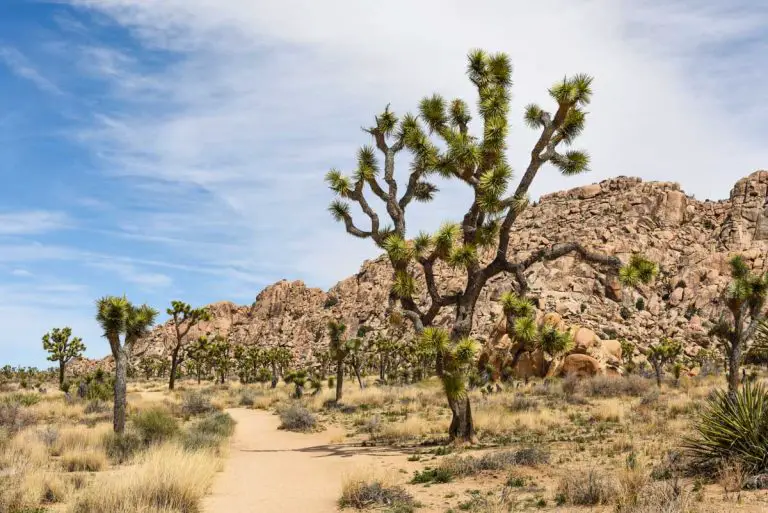
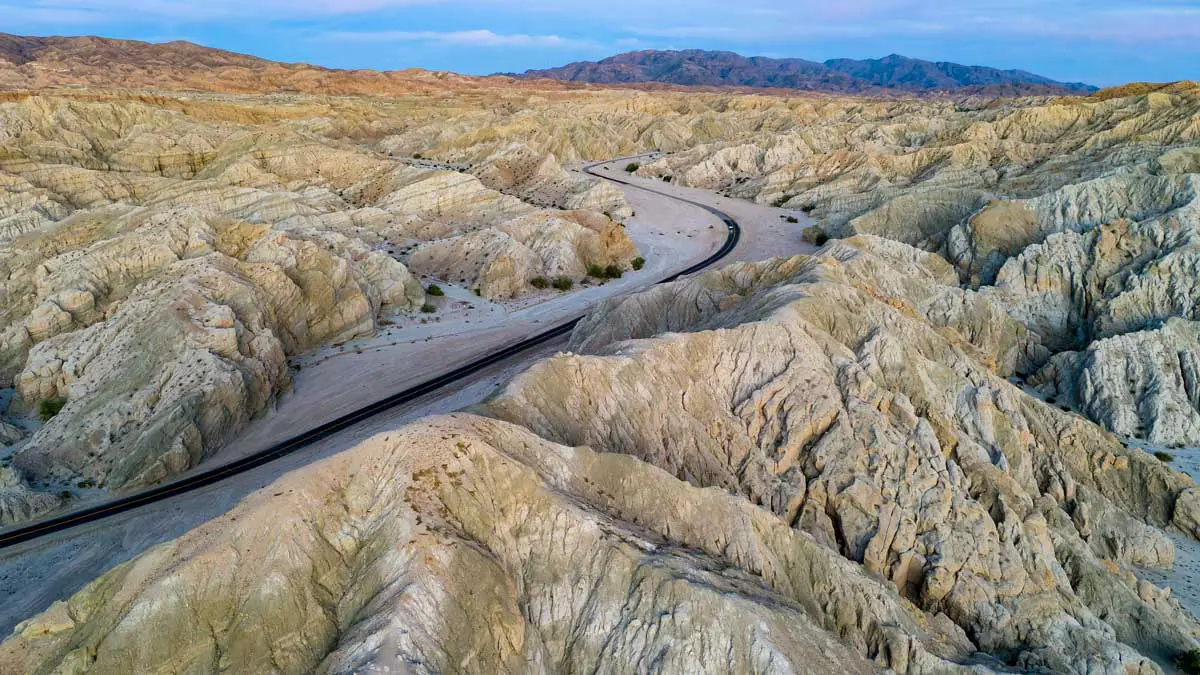
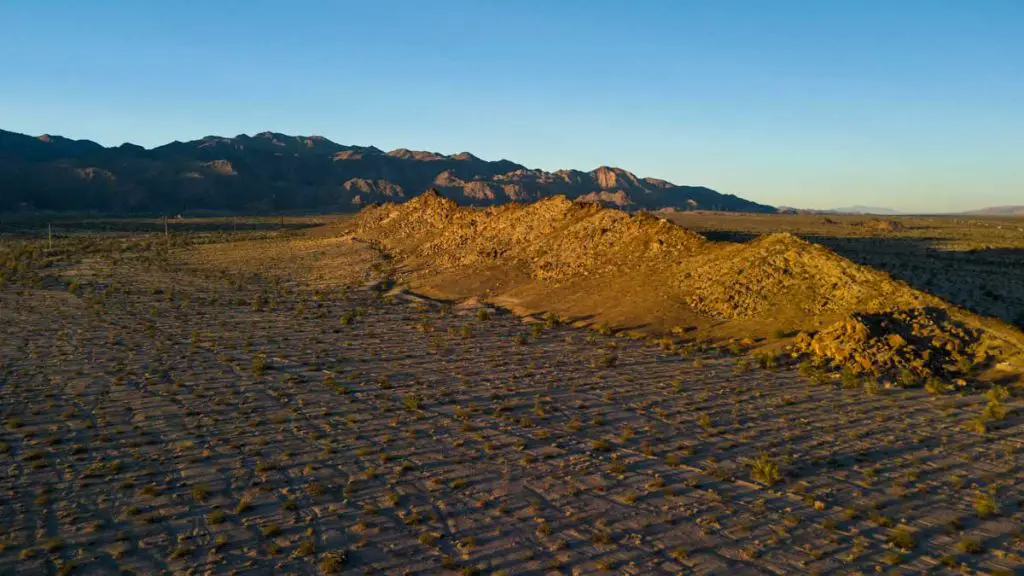
Chuckwalla National Monument — 740,000 acres of Mojave-Sonoran desert straddling Riverside and Imperial counties, south of Joshua Tree — was designated by President Biden on January 14, 2025, one of his last acts in office. The monument protects petroglyphs, tribal cultural sites, rare desert species including the desert tortoise, and land sacred to 13 tribal nations. It is co-managed by the BLM and an intertribal commission.

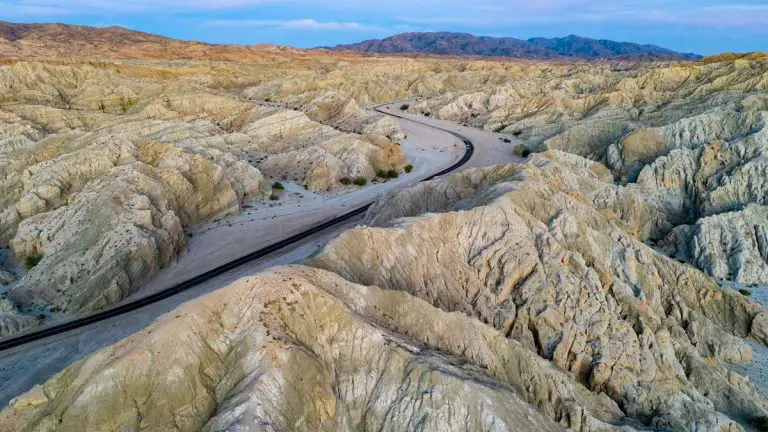
For people who actually use this desert, the monument covers serious ground. The Mecca Hills Wilderness has slot canyons worth the detour — Ladder Canyon and Painted Canyon Trail involve actual ladder climbs through narrows, with colorful banded strata that make the scrambling feel earned. Further in, the Orocopia and Chuckwalla Mountains Wildernesses are genuine backcountry: minimal trail markers, route-finding required, and desert bighorn sheep if you’re patient and quiet.
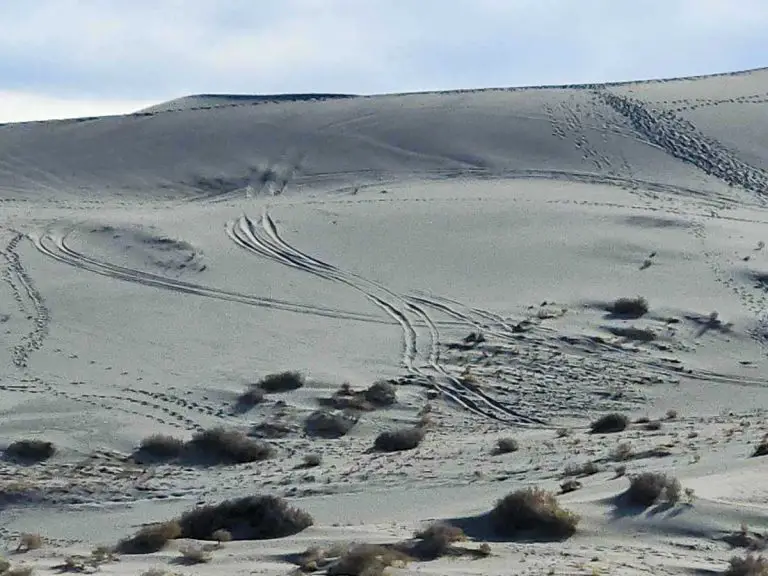
The Bradshaw Trail Overland Route cuts across the southern end — a 19th-century stagecoach route and designated Back Country Byway that puts the monument’s scale in perspective. Dispersed BLM camping is available throughout, and the Corn Springs area in the Chuckwalla Mountains holds Native American petroglyphs that predate every stagecoach and mining claim by centuries. WWII-era roads, airstrips, and camp remnants are scattered across the landscape for those inclined to go looking.
Six months later, the Texas Public Policy Foundation and Mountain States Legal Foundation filed suit in federal court on behalf of Daniel Torongo, a Michigan man whose family holds mining claims inside the monument boundaries, and the Blue Ribbon Coalition, an Idaho-based, self-described motorized recreation group that has been accused of being a front for extraction industry interests. Their argument: the Antiquities Act of 1906 was never meant for this.
The Act authorizes presidents to designate national monuments to protect “historic landmarks, historic and prehistoric structures, and other objects of historic or scientific interest” — and crucially, requires that land chosen “shall be confined to the smallest area compatible with the proper care and management of the objects to be protected.” MSLF contends that 740,000 acres of sprawling desert doesn’t fit that description. “Chuckwalla isn’t a ruin. It’s not a site. It’s a sprawling region that the government claims might contain objects or future discoveries,” the group told Gear Junkie.
In March, a district court judge allowed nine environmental nonprofits and five tribal nations to formally intervene in the case. The nonprofit coalition — represented by Earthjustice — includes the Sierra Club, The Wilderness Society, Center for Biological Diversity, California Native Plant Society, CalWild, CactusToCloud Institute, Conservation Lands Foundation, National Parks Conservation Association, and Vet Voice Foundation.
The tribal interveners include the Torres Martinez Desert Cahuilla Indians, the Fort Yuma Quechan Indian Tribe, the Chemehuevi Indian Tribe, the Colorado River Indian Tribes, and the Morongo Band of Mission Indians — all of whom advocated for the monument’s creation and have a direct stake in its survival.
“Tribal Nations led the efforts to protect Chuckwalla National Monument. We have unique interests in this landscape. It is part of our ancestral home, and it is a cultural and religious place that we have spent years working to protect,” Chairwoman Amelia Flores of the Colorado River Indian Tribes told Gear Junkie.
Defenders argue the designation had unusually broad support before it was ever challenged. More than 300 businesses, 370 scientists, local and state elected officials, and veterans groups backed the monument. A CalWild analysis found that employment in the counties encompassing Chuckwalla grew 76 percent between 2001 and 2022, with real per capita income rising 23 percent — numbers the conservation side is leaning on to counter the “land grab” framing from plaintiffs.
The plaintiffs aren’t backing down. Blue Ribbon Coalition Executive Director Ben Burr told Gear Junkie the core question isn’t about who supports monuments: “We are asking the Court to determine whether the designation of massive national monuments is an abuse of executive power.”
There’s also political noise layered on top of the legal fight. In March 2025, a document appeared briefly on the White House website announcing Trump had abolished the monument — then disappeared.
Sen. Alex Padilla, D-Calif., used a Senate confirmation hearing to extract a verbal commitment from Stevan Pearce, Trump’s pick to lead the BLM, that he would honor the monument designation if confirmed. Pearce said yes. How much weight that carries remains to be seen.
The stakes here go beyond one desert monument. Since Congress enacted the Antiquities Act, 17 presidents have invoked it more than 150 times to designate or expand national monuments, according to Gear Junkie. A ruling that meaningfully narrows how the Act can be used would ripple across every future designation — and potentially put existing ones back in play.
For the hikers, climbers, off-roaders and desert rats who use the lands that Chuckwalla protects, the outcome is worth watching. Access fights are slow and ugly. This one’s going to be both.