What a Historically Low Snowpack Means for SoCal’s Dry Season

California just closed out the winter with its second-lowest April 1 snowpack on record. State engineers doing the ceremonial Phillips Station measurement found patches of grass where the snow is supposed to be chest-deep. Statewide snow water equivalent landed at 18% of average, and the northern mountains — which feed the state’s biggest reservoirs — came in at 6%. Only 2015 was worse.
That’s the headline. What it means on the ground, for people who actually use the mountains, deserts, and rivers in Southern California this year, is a different conversation.
Reservoirs are fine, at least for now. Three wet years stacked up enough storage that most of the state’s major reservoirs are sitting above historical average. The water supply crisis is deferred, not cancelled. Jeff Mount at the Public Policy Institute of California put it bluntly in the San Francisco Chronicle: we’ll probably muddle through this year; next year is the one to worry about.
The recreation consequences are more immediate. Here’s what SoCal outdoor people should be planning around.
The Sierra is opening early, and closing early
Almost 20% of California’s statewide snowpack had already melted by March 1 — timing typical of May. A record-hot March wiped out most of what remained. By the end of the month, according to the National Interagency Fire Center, snow only lingered on the highest SoCal peaks, and the Sierra snowpack had dropped below 50% of normal.
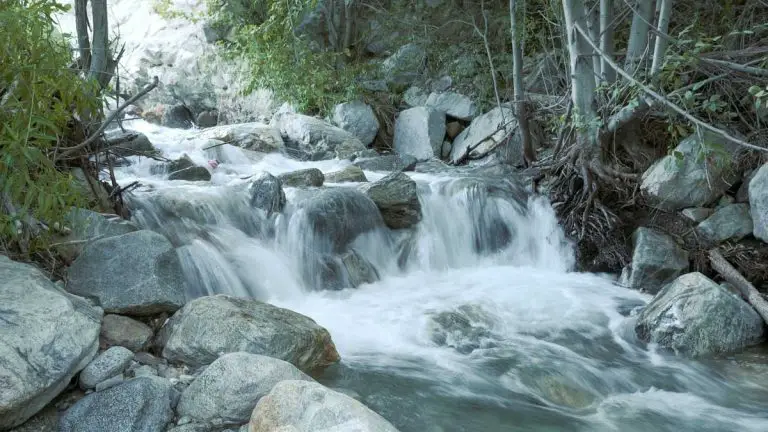
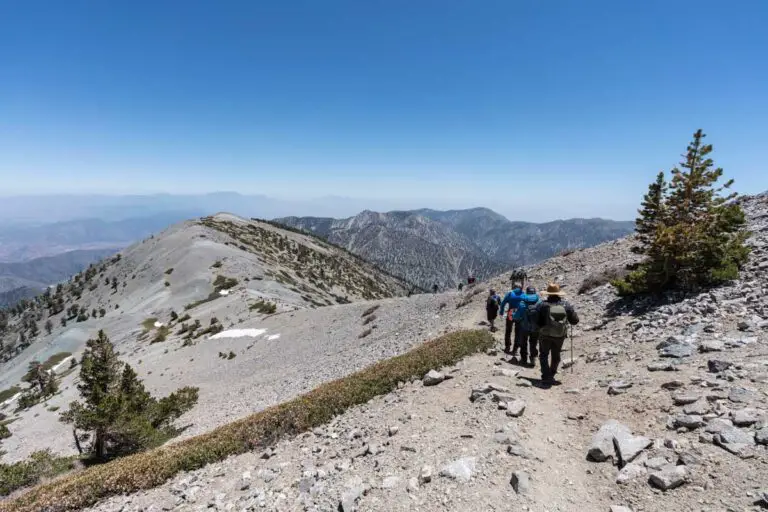
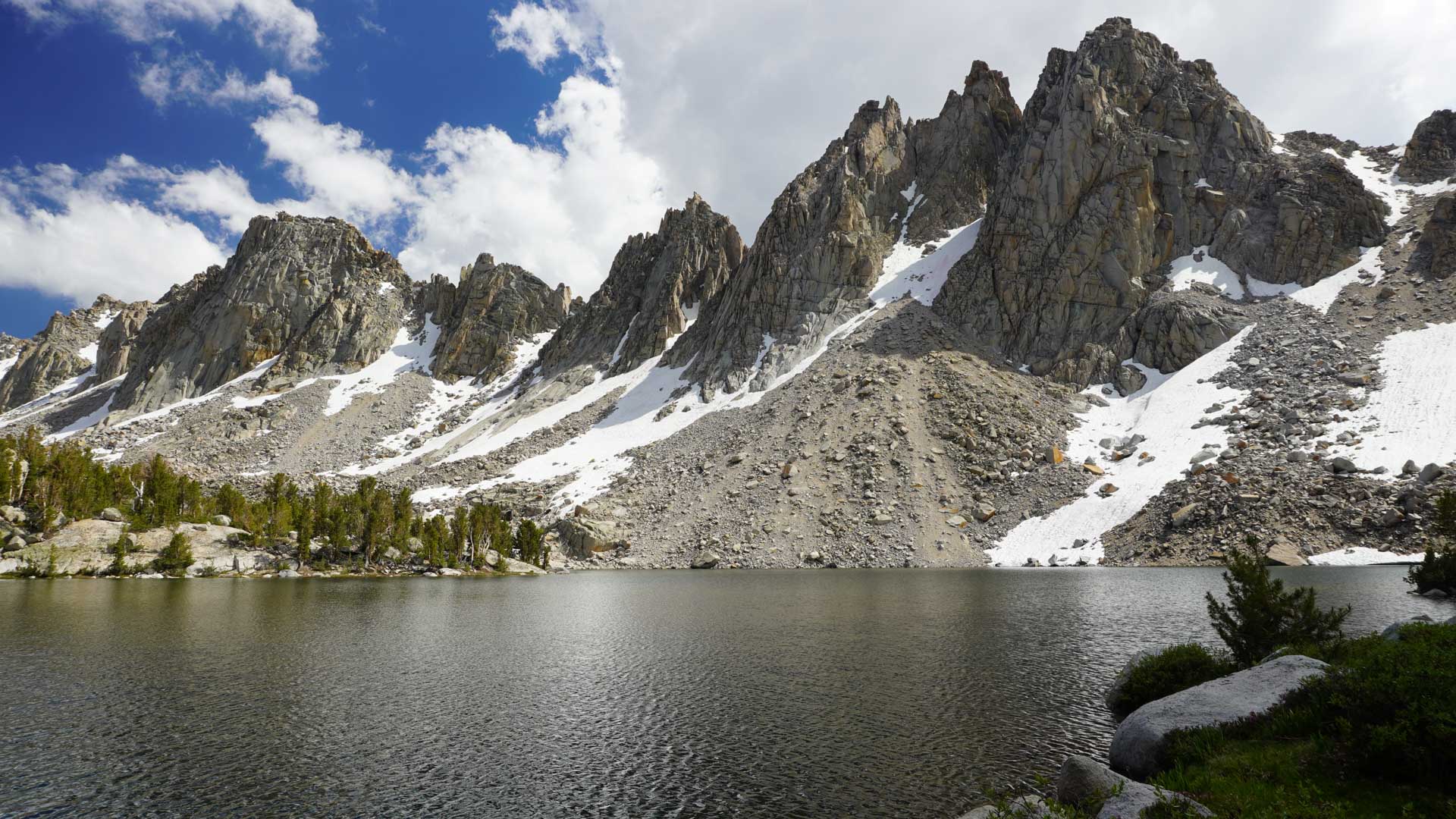
For anyone planning a Whitney day hike, a JMT section, or a trip into the Eastern Sierra, that shifts the calendar. Snow lines will be higher and bare rock will appear earlier than usual. Creek crossings that normally peak in late June will peak sooner and drop fast. Water sources that are reliable through August in an average year may be dry or marginal by mid-July. Plan water more carefully, check trip reports closer to your departure date, and expect route conditions that look more like late summer than early summer.
The flip side: passes and trailheads that are usually still snowbound in May may be accessible. Permit dates you’d normally write off as too early could work this year.
The rafting window is shorter and narrower
The Kern is the closest whitewater to Los Angeles, and it illustrates the split. The Lower Kern, which runs on releases from Lake Isabella, will have a season — outfitters are taking bookings through Labor Day. The Upper Kern is another story. That section runs on raw Sierra snowmelt, and when the snow is gone, it’s gone.
The Kern River Fly Shop noted in early April that runoff was expected to end very soon, with summer flows dropping rapidly and water temperatures in low-flow sections likely to exceed 70 degrees for much of the summer. That’s the kind of condition that kills trout and closes upper sections to rafting earlier than usual. If Forks of the Kern or Thunder Run is on your list this year, the window is probably May into mid-June, not the more forgiving May-through-July you might get in a normal snowpack year.
The Kings — bigger watershed, undammed — will see similar compression. Shorter peak, earlier drop-off, narrower window of classic Class IV flows.
Fire season is already the defining story
Cal Fire’s own seasonal outlook says Southern California is forecasted to stay warmer and drier than normal through the summer, with a shallower-than-normal marine layer that limits inland moisture recovery. Cal Fire Chief Joe Tyler said on social media that the state’s snowpack is sitting between 10% and 20% of normal in his assessment, and that vegetation is drying out weeks ahead of schedule.
That translates into concrete disruptions to outdoor plans. A few patterns worth understanding if you’re building a summer calendar around trails, backcountry trips, or events:
Multi-year closures from past fires are still in effect. The Angeles National Forest just extended its Eaton Fire closure through December 31, 2027. Sam Merrill (lower, middle, and upper), Echo Mountain, Castle Canyon, Idlehour, Mt. Lowe East and West, Mt. Wilson Toll Road, Brown Mountain Road, Ken Burton, El Prieto, and Sunset Ridge all remain off-limits. The Bridge Fire closure covering Wrightwood, Mt. Baldy, and East Fork areas runs through the end of 2026. Trail steward Jorge Baffert told LAist that it’ll likely be three years before heavily damaged trails like Idlehour see repairs, and that’s before winter storms take another pass at the burn scars. Any new large fire this summer will add to that list.
Fire restrictions escalate through the summer. In 2025, the Angeles went from Moderate to High to Very High to Extreme restrictions in sequence. At Extreme, California Campfire Permits are voided — that includes backpacker stoves using gas, jellied petroleum, or pressurized fuel. If your trip depends on cooking at altitude, track the restriction level before you go, and have a cold-meal contingency if the level steps up while you’re out.
Air quality shuts down activity far from the flames. South Coast AQMD and LA County Public Health routinely advise canceling outdoor practices, competitions, hiking, and picnicking during smoke events, not just in fire zones. PM2.5 from a fire in the Southern Sierra or Kern County can end a weekend in San Diego. Trail races, organized rides, and outdoor events can be cancelled or postponed with little notice. The AirNow Fire and Smoke Map and CARB’s California Smoke Spotter app are the useful tools here.
Early fires are already happening. The Springs Fire burned 4,176 acres near Lake Perris in early April, including parts of the state recreation area, with evacuations in Moreno Valley neighborhoods. That’s before what used to be considered fire season.
What to actually do about it
Assume a compressed Sierra window and plan water more carefully. Book rafting dates on the earlier end of the range if the trip matters to you. Check Forest Service fire restriction levels before every backcountry trip, and know what level voids your stove permit. Watch AirNow when fires are burning — even ones well outside SoCal. Have a backup plan for organized events.
And keep an eye on next year. The reservoirs buy the state some time, but as Jeff Mount said: it’s 2027 he’s worried about.