Rainfall Sets Stage for Colorful Wildflower Season in California Desert Parks

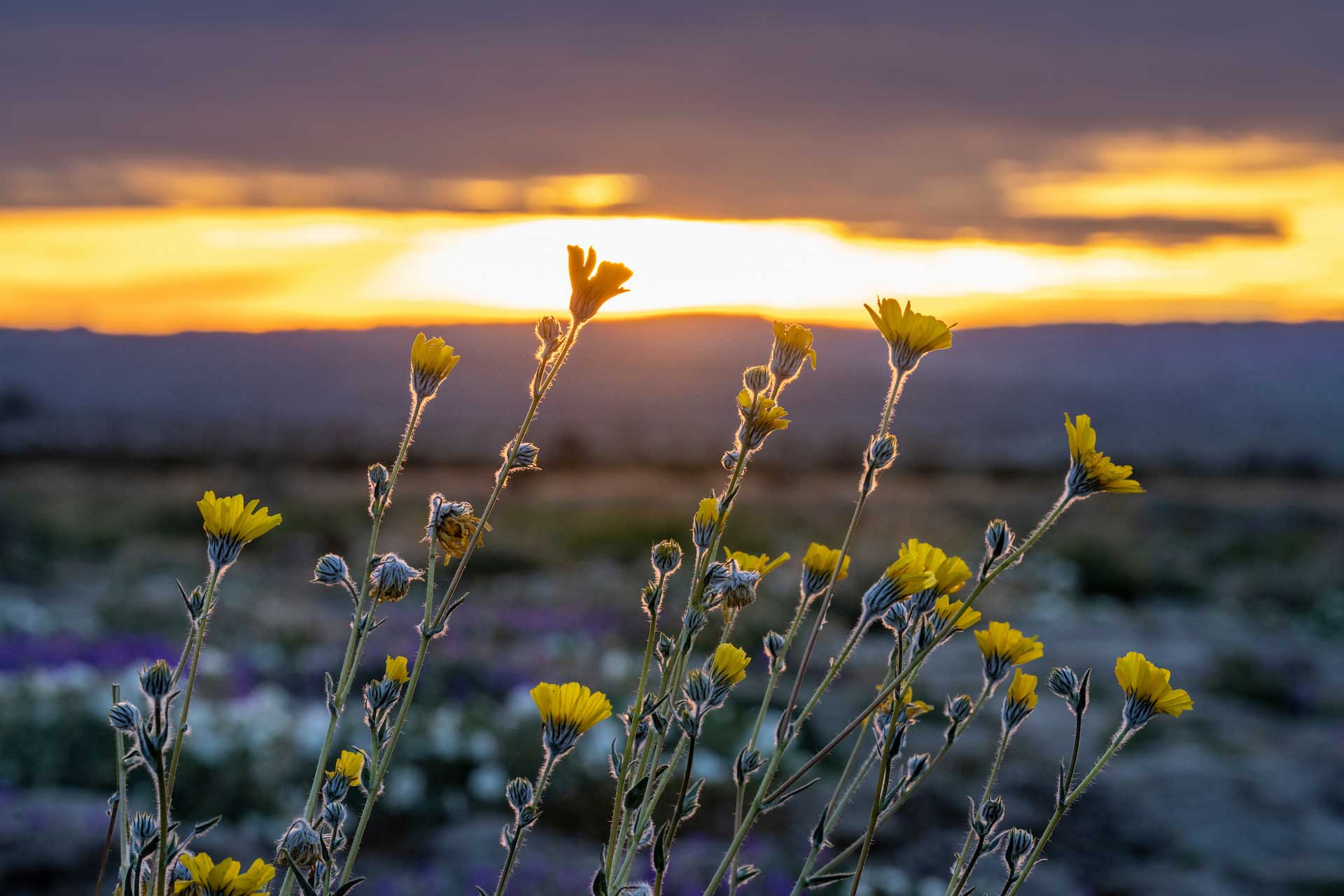
Pollinators and wildflower enthusiasts may have reason to celebrate this season. According to California State Parks, desert landscapes are beginning to burst with color, with early blooms already visible in parks including Anza-Borrego Desert State Park and Red Rock Canyon State Park.
Depending on the park and timing, visitors may see sand verbena, desert poppies, primroses, desert sunflowers and apricot mallow. At Antelope Valley California Poppy Reserve, dense displays of poppies, fiddleneck and redstem filaree are typically expected from mid-March through May. An interactive bloom map and live “PoppyCam” feed are available to help visitors check conditions before heading out.
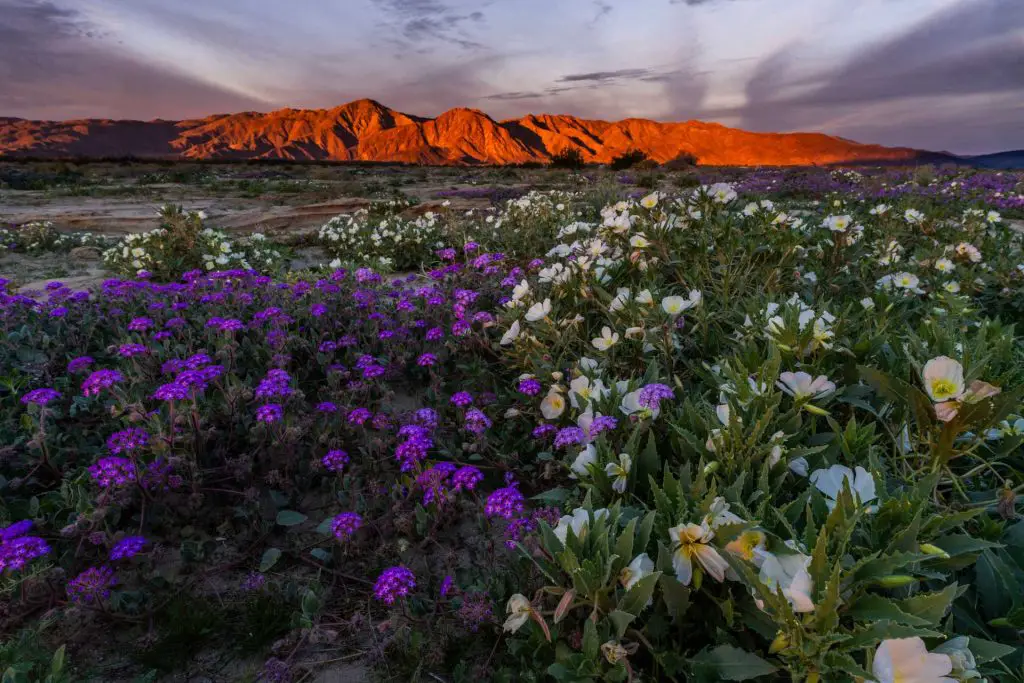
Other parks that could see notable blooms this year include Chino Hills State Park, Arthur B. Ripley Desert Woodland State Park and Hungry Valley State Vehicular Recreation Area. Many of these parks experienced significant blooms in 2017, 2019 and 2023, drawing large crowds from across the state and beyond.
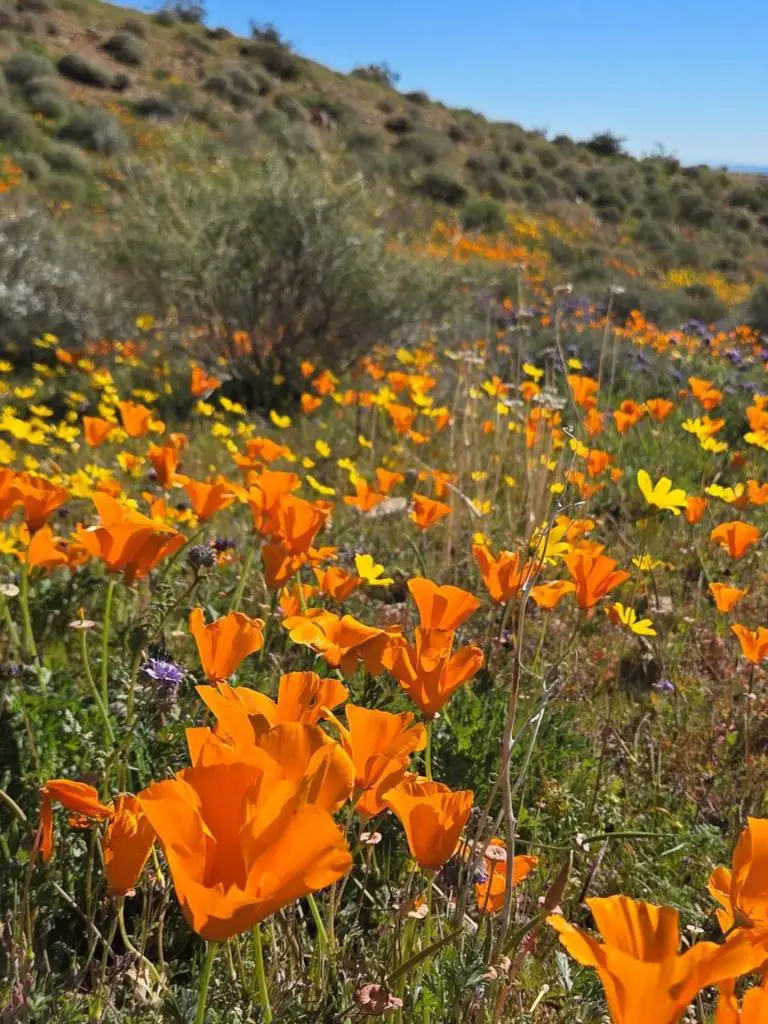
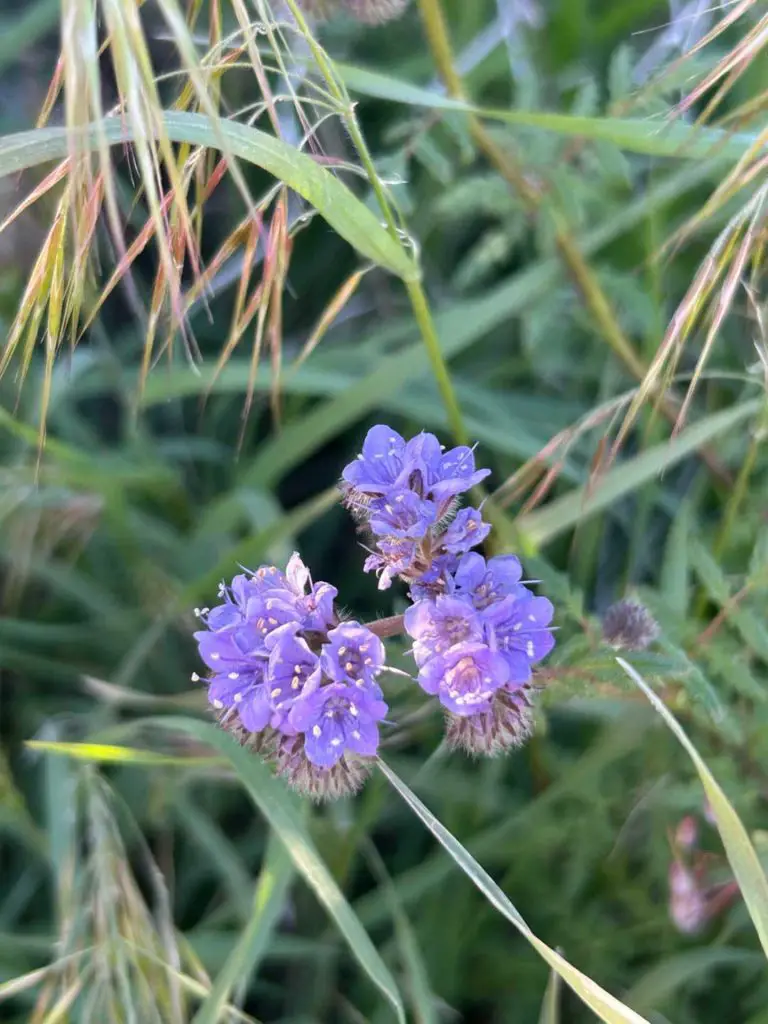
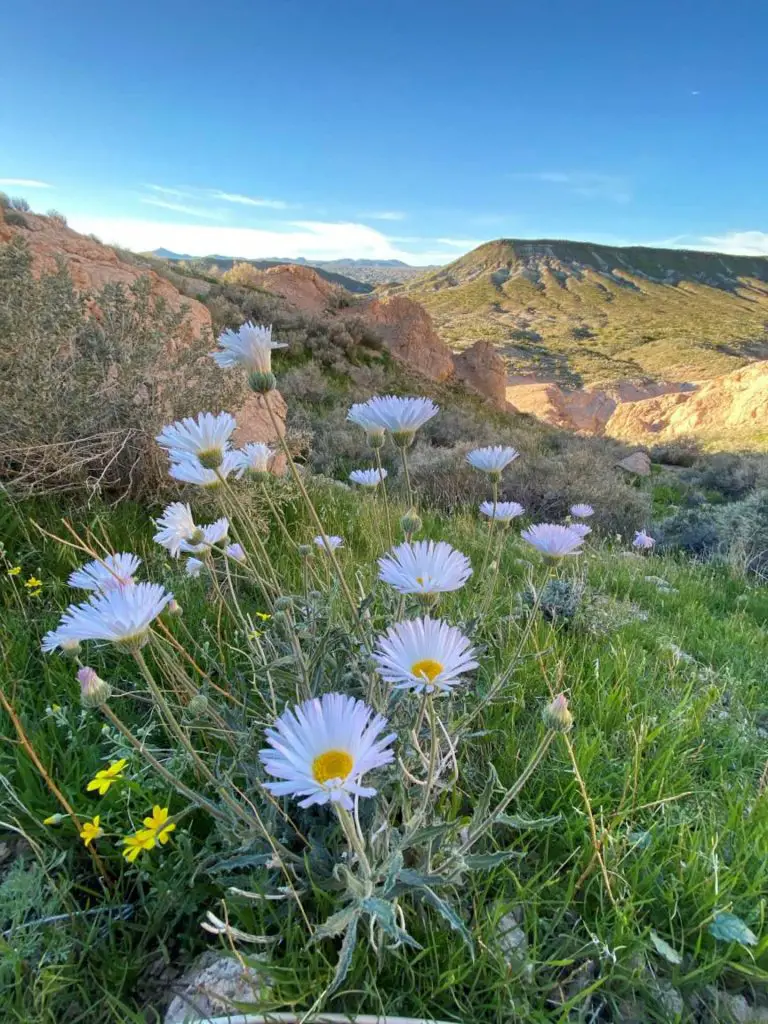
In Anza-Borrego, early color is already visible along Henderson Canyon Road, with desert sand verbena, primroses, desert sunflowers and apricot mallow emerging. Borrego Palm Canyon and Coyote Canyon are also beginning to show signs of bloom. Peak season typically begins in mid-February and can continue into spring, depending on weather conditions.
State Parks officials are urging visitors to recreate responsibly. Picking wildflowers is prohibited in state parks. Visitors are encouraged to stay on designated trails, avoid trampling flowers, carry plenty of water and prepare for changing desert conditions, including limited cell service and fluctuating temperatures.
Detailed updates on bloom conditions and park information are available at parks.ca.gov/WildflowerBloom.