Santa Rosa Island Fire Hits 97% Containment. The Accounting Is Just Starting.

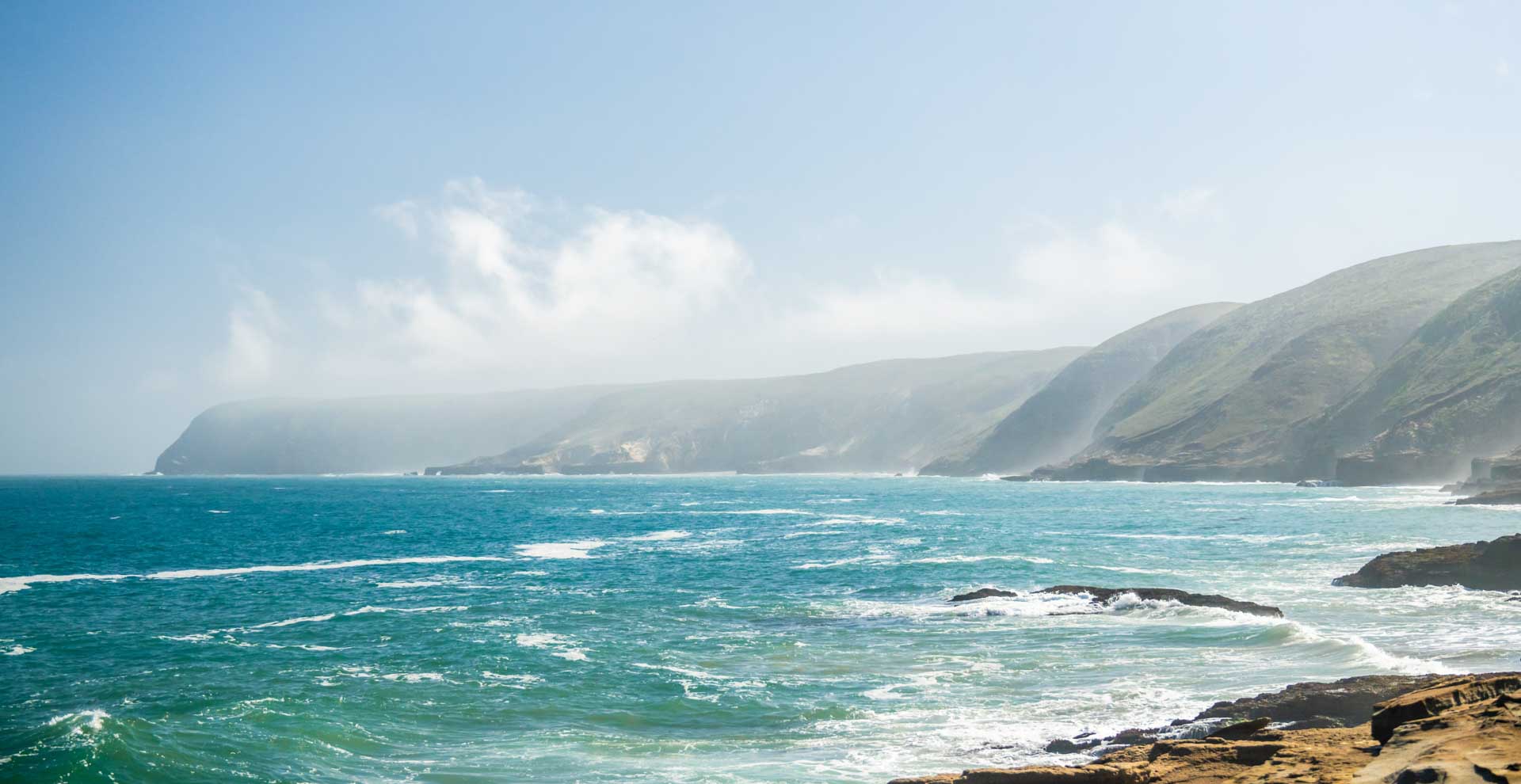
The Santa Rosa Island Fire is now 97 percent contained at 18,379 acres, incident managers reported over Memorial Day weekend. No further growth is expected.
The fire, which started May 15 on the southeastern end of Santa Rosa in Channel Islands National Park, is the largest wildfire of the 2026 California season and the largest ever recorded on any of the eight Channel Islands.
The fire burned roughly a third of the 53,760-acre island. Three uninhabited historic structures were destroyed and the island’s rare Torrey pine grove was burned through but, according to aerial assessments, remains largely intact. The South Point Light Station and the Main Ranch Complex are still standing. Santa Rosa is closed to all day and overnight use through at least June 6, and the cause of the fire is still under investigation.
The fire and the response
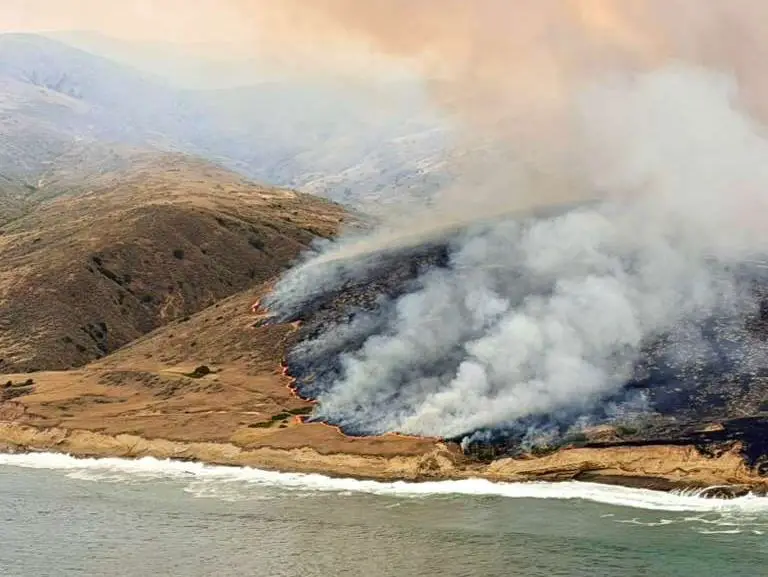
The fire was first reported by aircraft on the morning of Friday, May 15, on the southeastern end of the island. Gale-force winds with gusts reaching 50 mph pushed the flames quickly through dry non-native grasses, and crews could not reach the island by boat until that afternoon. Rough seas and a gale warning delayed additional resources through the weekend, and high winds grounded aerial water and retardant drops for stretches of the first several days.
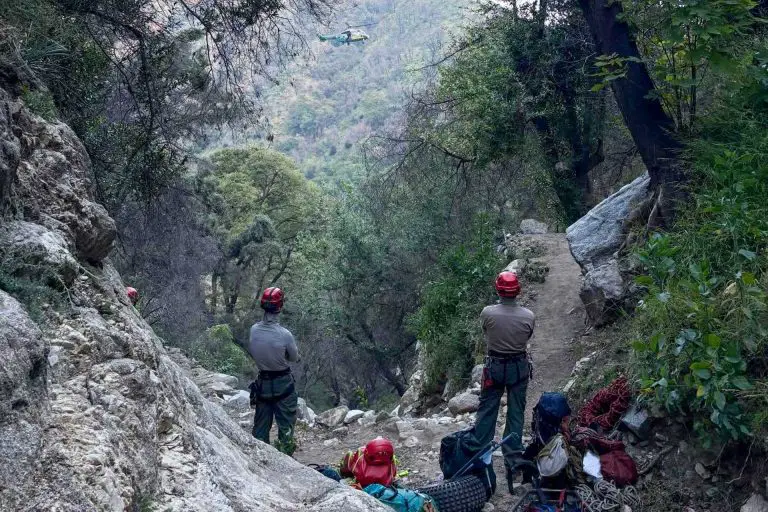
NPS evacuated 11 employees from the island by helicopter on Sunday, May 17, with no reported injuries. The fire grew with no containment through the weekend and continued to flare up on its east flank into early the following week. Containment lines went in along Telephone Road and into Cherry Canyon by May 19, and humidity and cooler weather later that week allowed crews to make rapid progress. Roughly 130 personnel staffed the fire at its peak, including a crew from the Chumash Fire Department deployed alongside resource advisors to help protect cultural and natural assets.
What’s been said about the cause
The U.S. Coast Guard initially stated on Instagram that the fire was caused by a 67-year-old solo sailor from Long Beach who set off emergency flares to signal for help after his 54-foot sailboat, Wet Vette, ran aground on the rocks of Santa Rosa late Thursday night, May 14. The Coast Guard later revised that statement to say the cause was under investigation. CAL FIRE and NPS both list the cause as human-caused but under investigation, with NPS leading the inquiry.
The Coast Guard received the report of the grounded vessel at 9:45 a.m. Friday — several hours after the wildfire was first spotted by aircraft. A Coast Guard helicopter crew rescued the sailor that morning and flew him to Camarillo Airport. He was uninjured.
In video the sailor provided to KEYT and SFGate, filmed May 14 after the grounding, the Wet Vette is shown on fire on the shoreline. The sailor, who has remained anonymous, can be heard saying, “That is a hot fire, I hope it doesn’t start this island on fire.” He has since told a local salvage company that his boat caught fire after the accidental grounding and that he launched flares hours after the island fire had already started.
No charges have been filed and the investigation is ongoing.
What burned
Three uninhabited historic structures are confirmed destroyed: the Johnson’s Lee Equipment Shed and an adjacent storage building on the western edge of the fire, and the Wreck Line Camp Cabin on the eastern edge.
Johnson’s Lee was the site of a Cold War–era Air Force Air Control and Warning Station that operated from 1951 to 1963, manned by up to 300 personnel. The facility was abandoned in 1965 and largely demolished by the National Park Service in the early 1990s, with a few structures preserved for their historic and educational value. The equipment shed was the last physical structure connecting the island to that history.
Wreck Line Camp Cabin sat on the island’s southeast quarter near Skunk Point. The “Wreck” name traces to the 1894 grounding of the Crown of England; the camp itself was established by early ranchers Vail & Vickers to salvage lumber and materials washing ashore from the frequent shipwrecks along Santa Rosa’s coastlines. A downed Stinson L-5, left on the island in the 1960s by bow hunters who broke its landing gear on a poaching trip, also burned.
Tim Vail, former Santa Rosa Island rancher and president of the Santa Cruz Island Foundation, told the Santa Barbara Independent: “In my years on the island, I can think of three or four fires on Santa Rosa Island. We know that the fires are overwhelmingly human-caused. It saddens me to see the loss of several historic buildings and irreplaceable artifacts that my family looked after for generations.”
The Main Ranch Complex and South Point Light Station are still standing. So is the pier, which incident managers identified as the defensive priority throughout the operation because it is the only point of personnel and supply access for the island.
What survived
The Santa Rosa Island subspecies of Torrey pine, one of the rarest pine species in the world, growing naturally only on Santa Rosa and at Torrey Pines State Reserve in north San Diego, was a central concern through the fire’s run. Roughly 10,000 trees were counted in the grove in 2015, on two sandstone bluffs on the island’s northeast corner. The fire is believed not to have burned the grove since the National Park was established.
The fire moved through the grove on May 19. Initial firefighter reports indicated the burn intensity dropped as the flames moved upslope through grasses, and that the trees appeared intact. Aerial imagery from May 20 confirmed that the grove largely survived, with some pockets that burned more intensely from logs rolling downhill and carrying flame back up the slope. Torrey pines are somewhat fire-adapted and disperse seeds after a burn, but the long-term effects of an intense fire on the population are still being assessed.
NPS is deploying specialized fire effect crews to take measurements on fire severity and impacts. Officials have described the assessment as the start of long-term monitoring rather than a one-time evaluation.
The ecological context
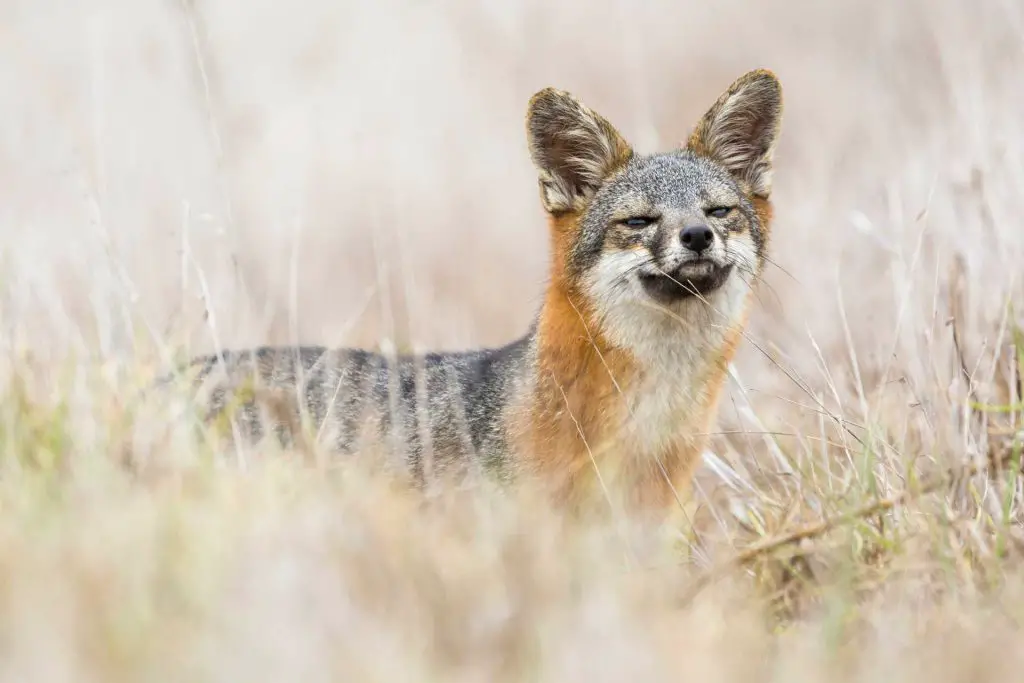
Santa Rosa is one of five islands in Channel Islands National Park, often referred to as the “Galápagos of North America” for the species that evolved there in isolation. The island supports roughly 46 endemic plants and animals. Among the plants, six species are found nowhere else in the world: the Santa Rosa Island Manzanita, Santa Rosa Island live-forever, Hoffmann’s gilia, Munchkin Dudleya, island tree mallow, and the Torrey pine subspecies.
The island is home to the Santa Rosa Island fox, a genetically distinct subspecies that was pulled back from a population low of 15 individuals on Santa Rosa and San Miguel islands in the early 2000s to thousands today through a multi-decade recovery program. It also supports island spotted skunks, island deer mice, bald eagle nesting areas, and habitat for the western snowy plover.
Fire is uncommon on the Channel Islands. The island’s species evolved largely without regular burn cycles, which conservation biologists have flagged as a concern for post-fire recovery. Lauren Harris, an ecologist with the nonprofit Channel Islands Restoration, told Inside Climate News that the most immediate concern is invasive species moving into burned areas before natives can re-establish.
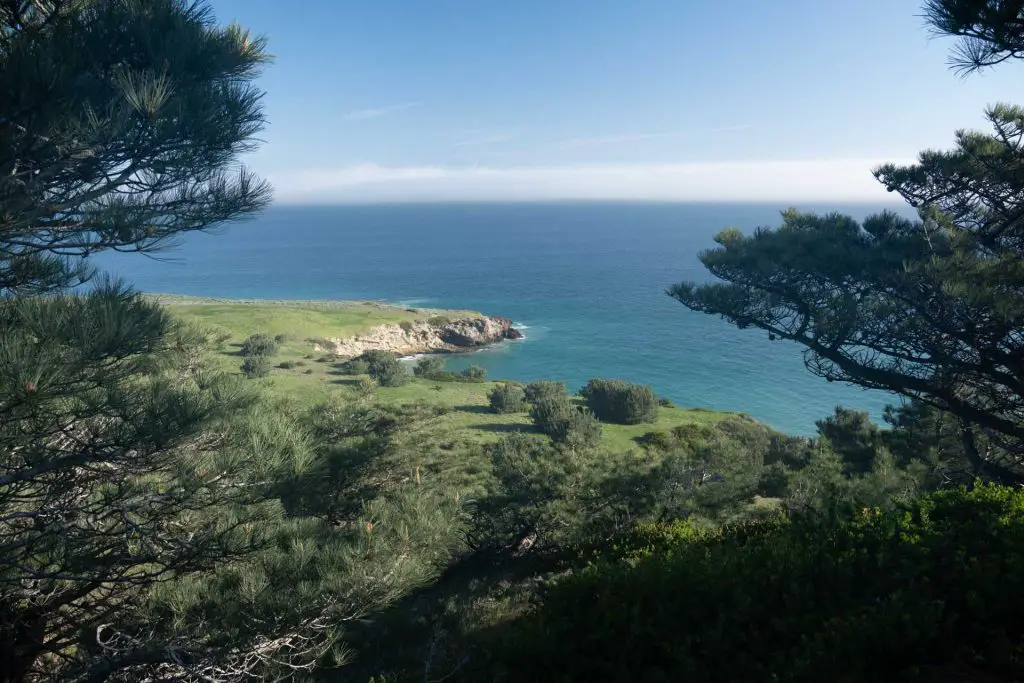
That concern intersects with the island’s existing restoration work. Sheep, cattle, pigs, deer and elk introduced by European settlers in the 1800s replaced native shrubs and trees with non-native annual grasslands. Livestock removal and native plant restoration has been underway since NPS bought the island in 1986, with the last non-native ungulates removed in 2011.
Russell Galipeau, who served as superintendent of Channel Islands National Park for 15 years, also told Inside Climate News he was concerned about the park’s capacity to monitor and recover from the fire given recent NPS staffing reductions and proposed agency-wide budget cuts. The 11 NPS employees evacuated from the island during the fire are the same staff who would normally be on the ground doing post-fire ecological monitoring.
Cultural and archaeological resources
Santa Rosa — Wi’ma in Chumash, meaning driftwood — is part of the homelands of the Chumash people and contains thousands of federally protected archaeological sites. Some of the oldest human remains discovered in the Americas, the roughly 13,000-year-old Arlington Springs Man, were uncovered on the island. The fire did not reach the Arlington Springs site.
A six-person crew from the Chumash Fire Department was deployed to the island on May 20 alongside NPS firefighting resource advisors. Officials said the team would work in tandem with the Chumash to protect cultural and natural resources, and that suppression efforts were guided by Minimum Impact Suppression Tactics, using existing trails and natural features for containment rather than bulldozer lines, which Galipeau publicly warned against early in the fire.
What this means for visitors
Santa Rosa Island is closed to all day and overnight use through at least June 6, 2026. Water Canyon Campground reservations have been cancelled through that date, and reservation holders with bookings through August 14 have been notified that the fire may affect their stays, with follow-up emails to come if more cancellations are needed.
Island Packers, the concessionaire that runs the boat service to the Channel Islands, has been coordinating cancellations and rebooking affected passengers. Anacapa Island, Santa Cruz Island, and Santa Barbara Island remain open.
The fire effect monitoring and post-burn ecological assessment is expected to run for years. CAL FIRE incident updates are posted at fire.ca.gov, and ongoing incident management updates are at InciWeb. The cause investigation remains open.